
Choosing a boarding school is a big decision. Some kids thrive with independence and peer community. Others need family support and struggle away from home. How do you know if it’s right for your child?
This guide covers what boarding school actually is, its pros and cons, and how to decide.
Key Takeaways
- Boarding school suits independent, social kids more than anxious or homesick-prone kids
- Personality matters more than any generalization about gender
- Costs are high, often several lakh per year in India
- Most schools set a minimum boarding age around 12–13; younger is riskier
- Trial experiences (camps, relatives’ houses) help gauge readiness
What Is Boarding School?
Boarding school is residential — your child lives at school. They attend class, play sports, eat meals, and sleep there, coming home for holidays. It’s not punishment; it’s an educational choice recognized under India’s national education policy.
Pros of Boarding School
Independence
Your child learns to live without you — managing their own schedule, belongings, relationships, and problems. This builds resilience quickly.
Peer Community
Boarding creates tight friendships, since kids spend all their time together. Many alumni describe boarding-school friends as their closest lifelong friends.
Focused Learning
Less daily distraction (no commute, fewer local pulls) means more time for sports, clubs, and academics.
Leadership Opportunities
Boarding schools often have more leadership roles — house captains, prefects, team captains — giving kids more chances to lead and organize.
Exposure
Kids meet peers from different cities and backgrounds, broadening their perspective.
Cons of Boarding School
Homesickness
Real and common. Some kids cry the first month. A few struggle to adapt.
Cost
A significant investment, often putting financial pressure on families.
Distance from Family
You miss your child’s daily life. Comfort during a sick day or a sad moment is more limited. Holidays are intense but brief.
Social Pressure
Peer pressure is real, and your child is away from your day-to-day guidance during tough moments.
Vulnerability for Some Kids
Anxious, introverted, or sensitive kids can struggle more, and some mask difficulties because they don’t want to admit they’re homesick.
Is Your Child Ready for Boarding?
Ask yourself: Is your child independent, able to manage tasks and solve problems without constant reminders? Are they social, making friends easily and enjoying group activities? How have they handled separation before — sleepovers, camp? What’s their maturity level for handling disagreements and asking for help? And importantly, is boarding their idea, or are you pushing while they’re hesitant? Forced boarding tends to breed resentment.
Red Flags — Probably Not Ready
Signs a child may not be ready include high anxiety, significant shyness, a history of separation anxiety, no prior experience sleeping away from home, a recent major family change, or simply being too young for the school’s boarding program.
Age Matters
Younger children (roughly under 10) usually still experience normal separation anxiety that makes boarding harder. Most schools set a minimum boarding age around 12–13. From around 14 onward, most generally independent kids adapt reasonably well — but this varies a great deal by child.
Trial Runs Before Committing
Before committing to full-time boarding, try a summer camp of two to three weeks away, an extended stay with relatives, or a sleep-away school trip, and talk with your child afterward about how it felt. A child who thrived at camp will likely adapt well to boarding; a child who struggled may need more time.
Frequently Asked Questions
Won’t my child resent me for sending them away?
If it’s their informed choice and they’re ready, usually not. Forcing a reluctant child is more likely to create resentment. Make it a shared decision.
How often can my child come home?
Most schools schedule several breaks per year (summer, winter, festival periods), plus some weekends depending on the school’s policy.
What if my child cries and wants to come home?
A rough first month is common. If genuine misery continues after two to three months, have an honest conversation about whether boarding is the right fit — some kids genuinely don’t adjust, and that’s okay.
Is boarding school better than day school?
Not inherently better — different. Day school allows daily closeness and support; boarding builds independence and leadership faster. The right choice depends on the child, not prestige.
How much does boarding school cost?
Costs vary widely by school and location; budget for tuition plus uniforms, books, and activities, and confirm current fees directly with schools you’re considering.
Are there day-boarding options?
Some schools offer a middle-ground “day-boarder” arrangement where kids stay during the week but return home on weekends.
Related Reading
If day school feels like a better fit for now, see our guide to extracurricular activities for kids, how to complete a school admission form, and why families choose East Point School in Ichhapur.
Your Child’s Best Choice
Boarding school isn’t better than day school — it’s different. Choose based on your child’s personality, maturity, and readiness rather than prestige. Trial runs are the best test of readiness.
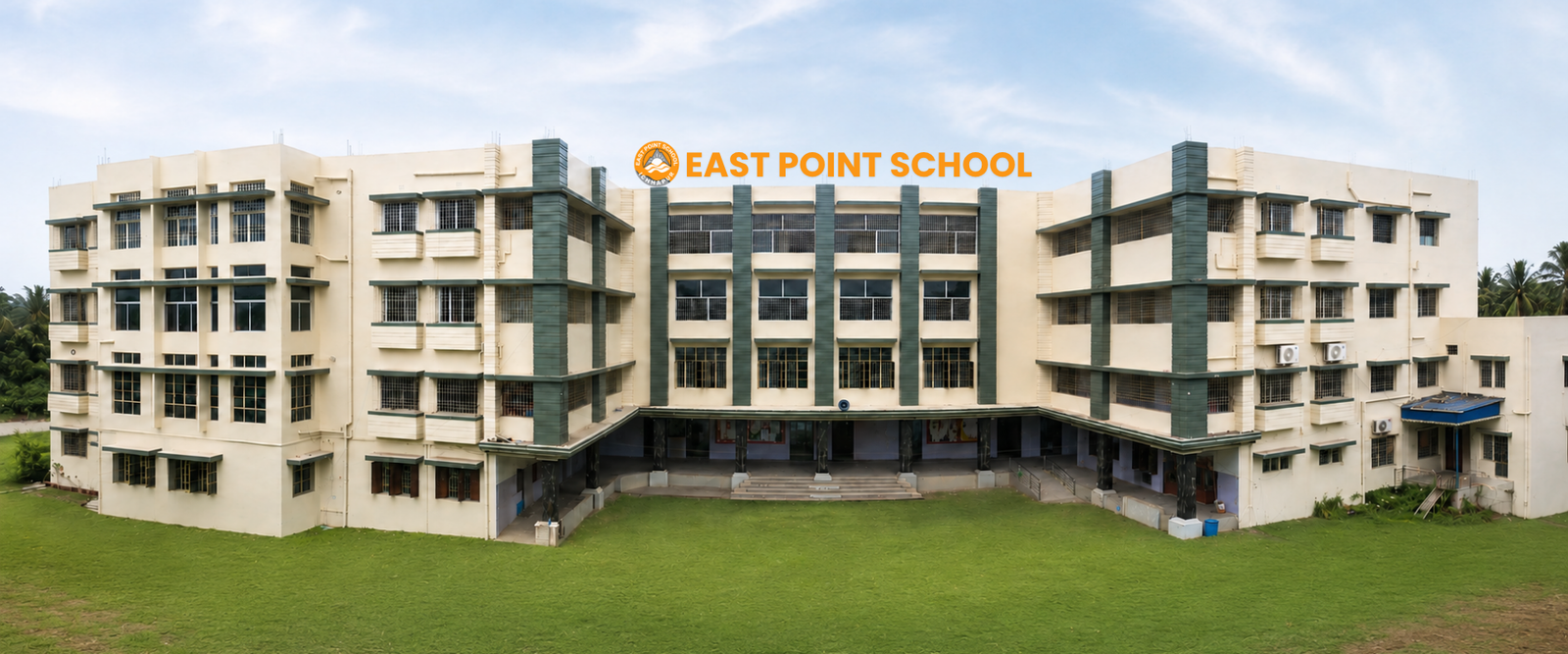
East Point School offers day school with strong academics and holistic development, and we’re happy to talk with families weighing boarding options for later years.
Explore our programs and talk with us about whether boarding is right for your child.